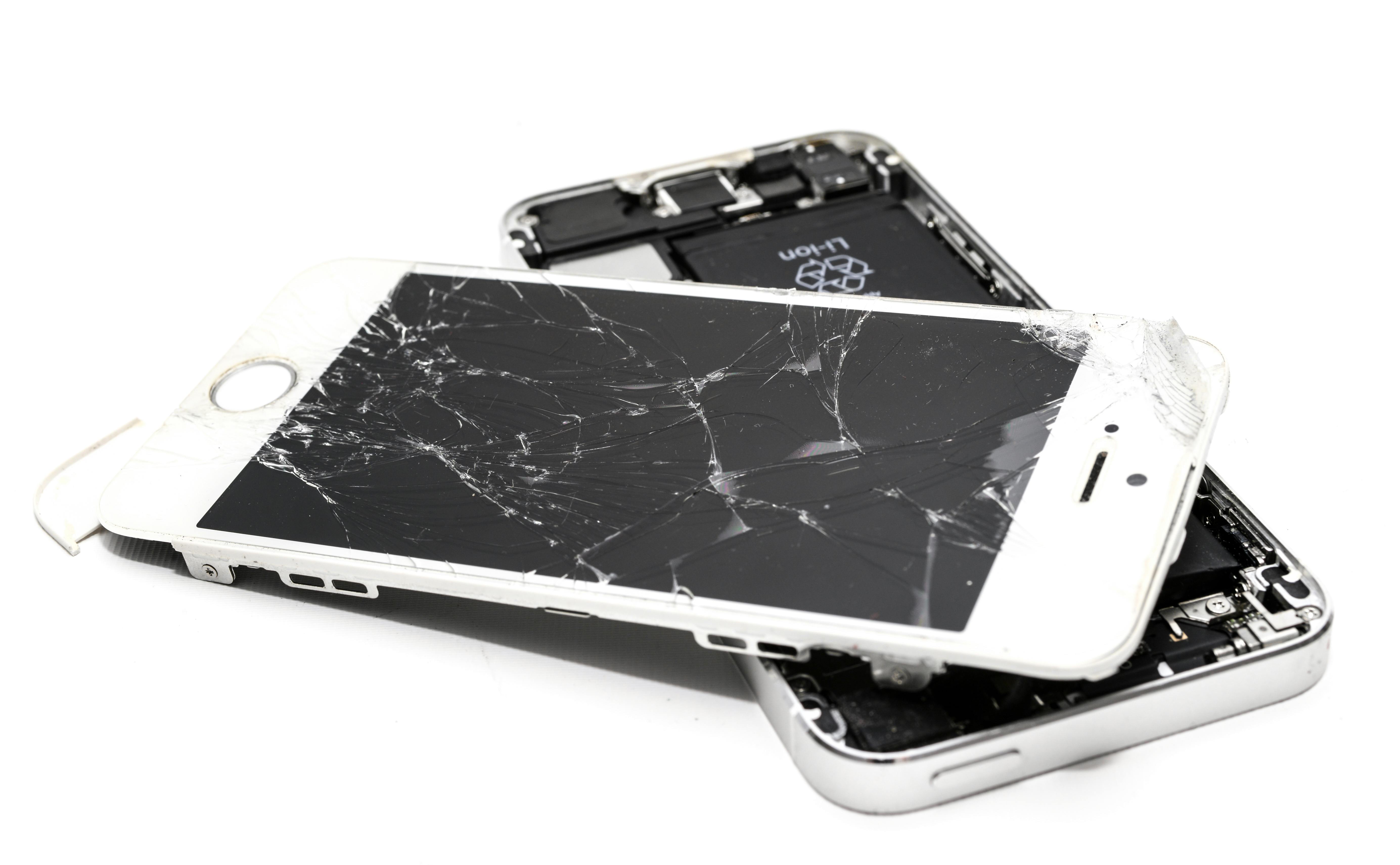
A cracked screen changes much more than the look of a phone. It affects touch, water resistance, resale value, and the real cost of keeping a device for five years.
Why the screen matters so much
A phone screen is the part most people interact with every minute of the day, which makes it the single easiest component to damage and the most visible sign of wear when you try to resell the device later. Even a small crack can turn into a larger repair if moisture gets in or if the touch layer starts to behave unpredictably.
That is why a screen break is not only a repair line item. It also affects the device’s future trade-in value, because many buyers and trade-in programs discount heavily for cosmetic damage or any sign that the panel may fail again.
What Apple’s current pricing tells us
Apple’s UK repair pages are a useful benchmark for how expensive a modern flagship can be to restore. The official estimator currently shows screen damage at £389 on some iPhone models, battery service at £109, and other damage as high as £795. Those numbers are important because they set the ceiling for what a “simple accident” can cost before any third-party repairs or insurance are considered.
Apple’s Self Service Repair program also shows how the repair market has changed. Apple now gives experienced users access to genuine parts, tools, and manuals for out-of-warranty repairs, which is a sign that repairability is becoming a bigger part of the ownership conversation.
Ad space kept ready for AdSense placement.
The hidden cost is resale, not only the repair bill
The biggest mistake buyers make is stopping at the repair invoice. Once a phone has had a cracked display, even if it is perfectly fixed, the market may still view it as a more risky used device. That can mean weaker trade-in offers or lower private-sale prices, especially for premium phones where buyers expect nearly perfect condition.
In TCO terms, the real question is not whether the repair is possible. It is whether the repair plus the resulting resale drop is still cheaper than replacing the phone earlier than planned.
The practical takeaway
For most people, the best strategy is preventative: a solid case, a decent screen protector, and a repair budget in reserve. For anyone keeping a flagship phone for four to five years, the screen is worth protecting like an investment, because it often determines whether the device still feels “premium” at the end of its life.
A cracked screen can be the single event that makes a phone’s five-year cost jump far beyond its expected budget.
Research notes
Primary sources and market references used for this analysis.