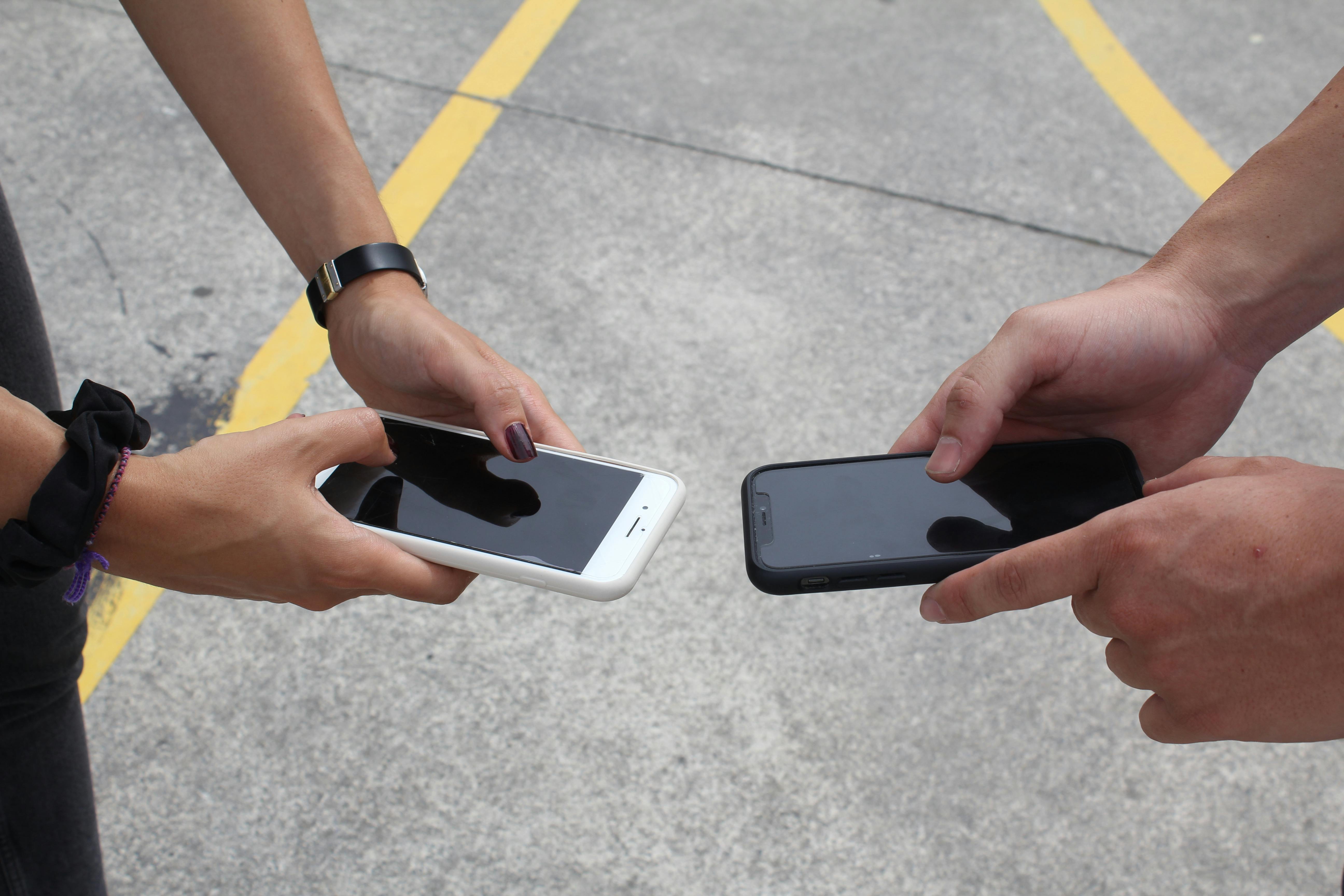
When new phone prices rise, trade-in values usually follow. The result is a market where owners who time their upgrade well can recover far more of the original purchase price.
Why trade-in prices rise in the first place
Trade-in values move because the broader market moves. When new-device prices climb and buyers become more selective, the used market often becomes more attractive, which helps support higher trade-in offers.
Counterpoint reported that Q1 2026 smartphone revenues reached $117 billion, up 8% year over year, even though shipments fell 6%. That split between revenue and volume is a sign that premium devices are carrying more of the market’s value.
Apple and Samsung both benefit from structured trade-in
Apple’s Trade In program and Samsung’s trade-in channels make it easier for owners to convert old devices into credit. That matters because a clean trade-in path reduces friction and can stop value from leaking away while you wait to sell privately.
When trade-in is simple, people are more likely to act at the right time instead of sitting on an ageing phone for too long. That alone can improve five-year TCO.
Ad space kept ready for AdSense placement.
Why “record high” is not the same as “best value”
A high trade-in value is good news, but it does not always mean the new phone is the best value overall. A device can give back more cash later and still be expensive to own if the purchase price is too high or repairs are too costly.
The right way to think about trade-in is as a partially recovered cost, not a bonus. It is one of the final pieces of the ownership puzzle, not the entire picture.
How smart owners should use the trend
If the goal is to lower TCO, the winning move is often to trade in while the phone is still in excellent condition and before a major model refresh resets used prices. Waiting too long can erase the premium you could have captured.
In 2026, the smartest buyers are not just looking for low sticker prices. They are planning the exit before they even make the purchase.
Strong trade-in markets reward owners who treat upgrade timing like part of the purchase decision.
Research notes
Primary sources and market references used for this analysis.