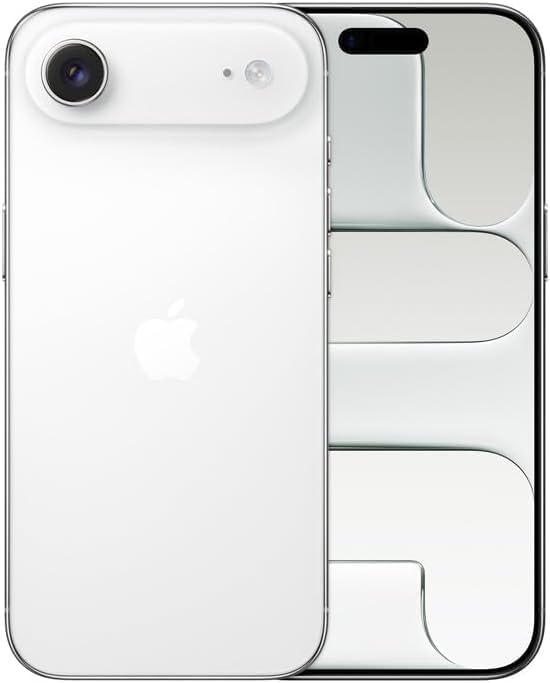
A phone does not need the highest spec sheet to win on ownership cost. The iPhone Air makes its case through resale strength, support depth, and a more balanced middle ground.
Why the “expensive” phone can still be the cheaper one
The sticker price is only the first chapter of TCO. What really matters is how much of that cost comes back to you later through resale, trade-in, and avoided repair risk. Apple’s ecosystem is built around all three.
That is why a phone like the iPhone Air can surprise people. It may not be the least expensive option up front, but if it retains value well and avoids the most expensive repair paths, it can finish the ownership cycle with a lower net cost.
Trade-in support changes the equation
Apple’s Trade In program remains one of the biggest reasons iPhones age gracefully from a cost perspective. The official program makes it easy to turn an old phone into credit or a gift card, which keeps older iPhones circulating and gives owners a practical exit route.
That kind of structured resale market matters. The easier it is to trade a device in, the less likely it is that value gets lost to inaction, uncertainty, or a poor private-sale experience.
Ad space kept ready for AdSense placement.
Balanced hardware tends to age better
The best TCO devices are rarely the flashiest. They are usually the phones that combine enough battery life, enough performance, and enough durability to stay satisfying for several years without demanding constant attention.
The Air concept fits that pattern. It aims to be premium without chasing every peak spec, which often means fewer compromises that later show up as repair bills or fast depreciation.
What buyers should actually watch
The real question is not whether the iPhone Air is cheap. It is whether the difference between its purchase price and its resale value is smaller than the gap on competing phones. That is the metric that matters over a long hold period.
For many users, the answer will depend on how long they keep devices. The longer the ownership horizon, the more a strong resale market and stable support policy can offset the initial price.
The iPhone Air’s value comes from what it gives back later, not just what it costs at checkout.
Research notes
Primary sources and market references used for this analysis.