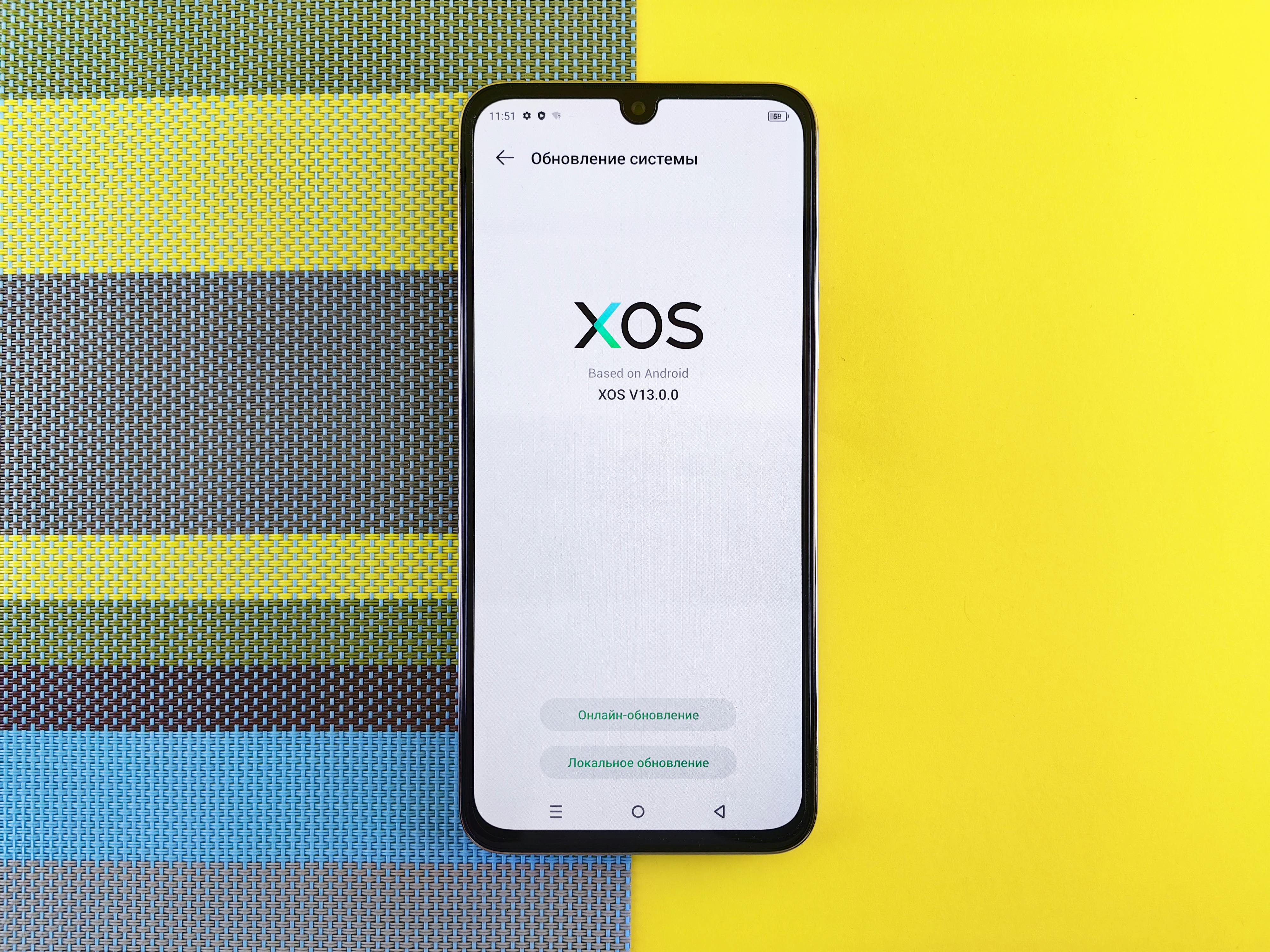
Update promises now sit at the center of the Android value debate. The real difference is no longer just years on paper, but whether support arrives consistently and quickly.
Why update promises changed the market
For years, Android buyers accepted shorter support windows as the cost of variety. That has changed. Samsung and Google now make long support promises, which has pushed software longevity from a niche topic into a mainstream buying factor.
This matters because software support is one of the cleanest ways to protect TCO. A phone that stays updated feels safer, supports more apps, and keeps resale demand stronger for longer.
Samsung and Google are now the headline players
Samsung’s current policy extends security updates for up to seven years on eligible Galaxy devices, while Google says Pixel 8 and later phones get seven years of OS and security updates. Those are huge improvements over the old Android norm.
That means the comparison is no longer “Android versus iPhone” in a simple sense. It is now a question of which Android brand is disciplined enough to deliver the promise consistently in the real world.
Ad space kept ready for AdSense placement.
Why consistency still matters more than the slogan
A long support promise is valuable only if the owner actually gets the updates in a timely way and if the device keeps performing well enough to benefit from them. Security patches, feature drops, and bug fixes matter less if the phone feels unstable or neglected.
This is why buyers should read support policy as a starting point, not a final answer. Fast updates, good repair support, and a healthy resale ecosystem are the full picture.
The TCO conclusion
On pure longevity, modern Android has become much more competitive. On resale, the market still tends to reward brands with the strongest second-hand demand and the smoothest ownership experience.
The best buy is often not the phone with the longest promise on paper, but the phone whose support, resale, and repair ecosystem are all moving in the same direction.
Android support is finally competitive, but buyers should judge the whole ecosystem, not just the years listed in a press release.
Research notes
Primary sources and market references used for this analysis.