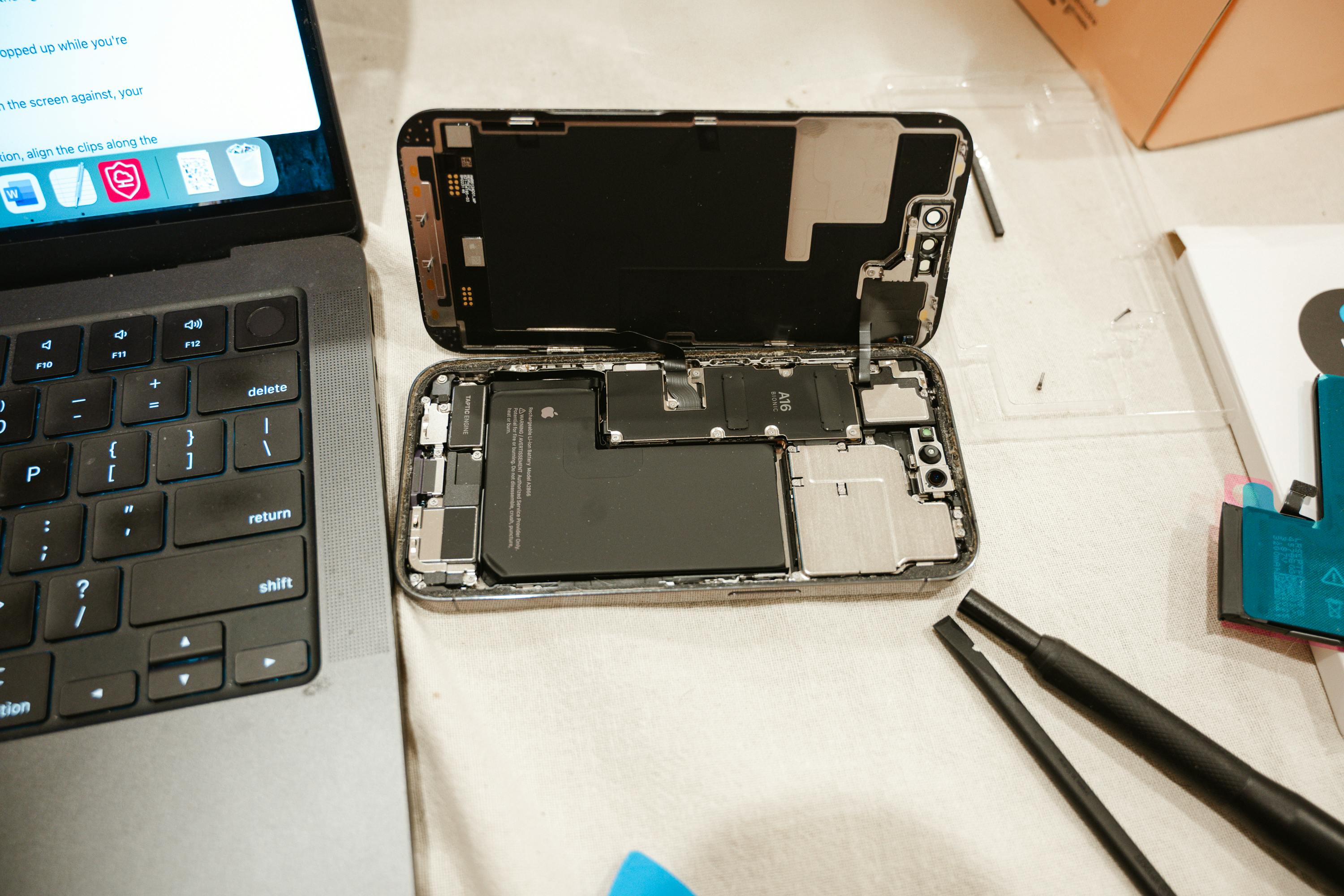
5G gets blamed for battery drain a lot, but the truth is more complicated. Signal strength, heat, and modem behaviour usually matter more than the label on the box.
Why 5G gets blamed first
When battery life feels shorter, people often point to 5G before anything else. That is understandable, because 5G is the newest radio technology most users notice in the settings bar, and faster connectivity gets associated with faster battery loss.
But the battery story is more subtle than that. A phone working harder in a weak-signal area, under high temperature, or while switching between network bands is what usually creates the worst drain — not the 5G label by itself.
What the research says
Qualcomm has noted that the impact of 5G on battery life is nuanced and that 5G smartphones can deliver all-day battery life. That is an important corrective to the idea that 5G automatically ruins endurance.
A separate technical literature review on 5G power consumption also points to the complexity of energy use across devices, stages, and network conditions. In other words, battery performance is a system problem, not a single-feature problem.
Ad space kept ready for AdSense placement.
Where mmWave can still hurt
mmWave can be more demanding in real-world use because it can struggle with blockage and often works best in narrower coverage conditions. When the modem has to work harder to maintain a usable connection, energy draw can rise.
That does not mean mmWave is unusable or inherently bad. It means the battery cost depends on where and how you use the phone. Dense urban areas, indoor environments, and unstable signal conditions are more likely to show the worst-case behaviour.
The ownership takeaway
For TCO, the lesson is simple: battery degradation is driven more by heat, charging habits, and radio strain than by marketing buzzwords. A well-managed phone on a stable network can last a long time even with 5G enabled.
Owners who care about battery health should pay attention to signal quality, charging heat, and battery replacement timing rather than assuming the network standard alone is the problem.
5G is rarely the villain; poor signal, heat, and heavy usage usually do the real damage.
Research notes
Primary sources and market references used for this analysis.